Watercolor Wildflowers Clipart and Illustrations
As a graphic designer with years of experience in branding, marketing visuals, and digital design assets, I’ve come across countless illustrations that promise to elevate a project. Watercolor Wildflowers Clipart is one such asset that offers a soft, artistic feel ideal for creative design projects. This review explores how it performs in real client work and whether it’s worth adding to your design toolkit.
The First Impression: Soft, Natural, and Timeless
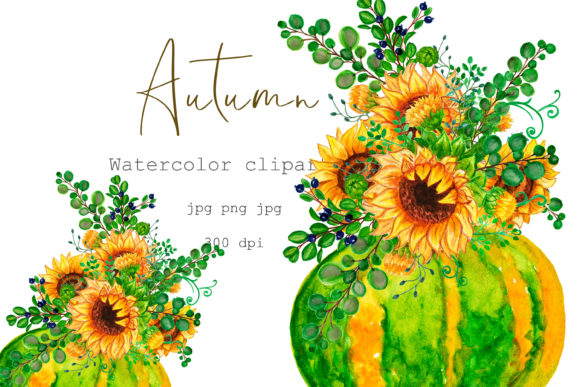
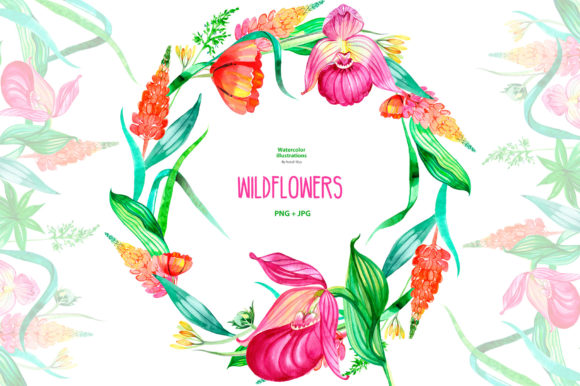
Watercolor Wildflowers Clipart immediately conveys a sense of warmth and organic beauty. The hand-painted style evokes a handmade aesthetic, making it perfect for small business branding, Etsy products, or seasonal campaigns. The color palette leans toward pastels and earthy tones, which can create a calming visual mood. It feels like an illustration from a nature journal, offering a refreshing alternative to the more rigid, modern design trends.
This style naturally fits brands that want to communicate authenticity, craftsmanship, or a connection to nature. Whether it's a boutique product line, a local event flyer, or a printable wall art piece, the clipart adds a personal touch that resonates with audiences looking for something unique.
Real-World Design Applications
Watercolor Wildflowers Clipart shines in various design scenarios. For logo design, it can serve as a subtle background element or a decorative accent that complements a minimalist text-based logo. In brand identity, it helps reinforce a cohesive visual language that feels approachable and inviting.
For product labels, packaging design, and t-shirt design, this clipart provides a natural, eye-catching detail without overwhelming the overall composition. It works well in sticker design, Canva templates, and Cricut projects where a handcrafted look is desired. As a sublimation design, it adds a soft, artistic edge to custom merchandise like mugs or tote bags.
In social media graphics and editorial design, the clipart can act as a hero graphic or a decorative element that enhances the visual storytelling. It also supports print-on-demand sellers by offering a versatile, high-quality illustration that can be used across multiple products without appearing repetitive.
Where It Excels: Large Layouts and Themed Collections
Watercolor Wildflowers Clipart performs best in large layout areas, where its intricate details can be fully appreciated. It’s ideal for campaign visuals, packaging details, and themed collections that require a cohesive, artistic look. As part of a design bundle, it can be paired with other illustrations to create a complete set for a seasonal or holiday theme.
It also works well as a supporting brand element in web design, blog visuals, and digital ads. Its soft lines and gentle textures make it a great choice for printable designs, such as wedding invitations, greeting cards, or printable wall art. When placed on real mockups, it adds a polished, professional feel that elevates the final product.
Where to Use With Caution: Minimalist and Corporate Projects
While Watercolor Wildflowers Clipart is visually appealing, it may not be the best fit for every project. In minimalist branding or professional corporate materials, its organic, hand-drawn style could clash with a clean, structured design approach. Similarly, in low-contrast designs or crowded layouts, it might become lost or distracting.
For projects that require a strong visual hierarchy, such as logo design or marketing visuals with heavy text, the clipart should be used sparingly. It’s better suited as a complementary element rather than the focal point of a design. In such cases, pairing it with a bold sans serif font or a display font can help balance the composition.
Design Considerations for Client Projects
Before using Watercolor Wildflowers Clipart for a client project, there are several practical steps to take. Test it in black and white to see how it translates without color. Check contrast on both light and dark backgrounds to ensure visibility. Preview it at small and large sizes to assess scalability and clarity.
Place it on real mockups to see how it interacts with other design elements. Test print quality if it will be used for physical products. Review file formats—whether it’s a PNG design, SVG design, or another format—and inspect transparency if included. Confirm commercial licensing to avoid legal issues when using it for a client or business project.
Compare it with different font styles to see how it integrates with typography. A handwritten font or script font might complement the watercolor style, while a modern sans serif could provide a nice contrast. Ultimately, the goal is to ensure the clipart enhances the overall design without overpowering it.
Conclusion: A Versatile Creative Asset
Watercolor Wildflowers Clipart is a valuable addition to any designer’s library, especially for those working on handmade businesses, small business branding, or seasonal campaigns. Its soft, natural aesthetic makes it ideal for creative design, printable design, and commercial design projects that benefit from a personal, artistic touch.
Whether you're designing for an Etsy product, a digital ad, or a Canva template, this clipart offers flexibility and charm. However, like any design asset, it requires thoughtful application to ensure it aligns with the project’s goals and audience expectations.