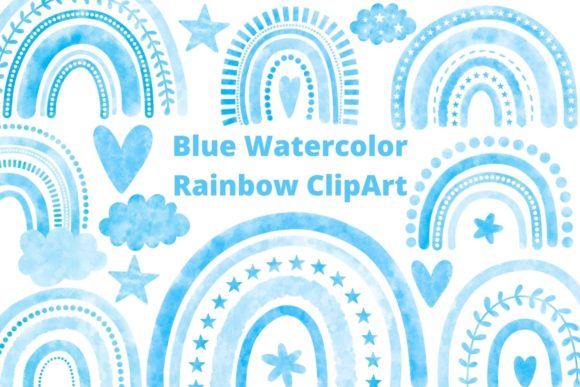
Watercolor Rainbow Butterfly Clipart and Illustrations
As a graphic designer with years of experience in branding, marketing visuals, and digital design assets, I’ve come across countless illustrations that promise to elevate a project—but not all deliver. Watercolor Rainbow Butterfly Clipart is one that genuinely stands out, especially when working on creative projects for small businesses, handmade brands, or seasonal campaigns.
The First Impression: A Soft, Whimsical Mood
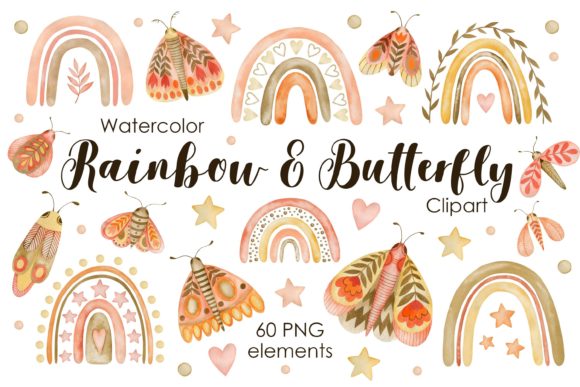
From the moment I opened the Watercolor Rainbow Butterfly Clipart, I was struck by its soft, dreamy aesthetic. The watercolor texture adds a handcrafted feel, while the rainbow hues bring a sense of joy and playfulness. This style naturally fits projects that aim to evoke warmth, creativity, or a touch of nostalgia. It’s ideal for boutique product lines, Etsy shops, or any brand looking to communicate a friendly, approachable personality.
The illustration doesn’t scream for attention—it gently invites the viewer in. That makes it perfect for design elements that need to blend into a broader visual identity without overpowering it.
Real-World Design Applications
Watercolor Rainbow Butterfly Clipart proves its versatility in various real-world design scenarios. Whether I’m working on logo design, packaging design, or social media graphics, this asset can be a valuable addition. For example, when designing a t-shirt for a local event, I used the butterfly as a subtle background element, which added visual interest without clashing with the text.
It also works well in Canva templates, where users need quick, stylish graphics. For a client launching a new line of greeting cards, I incorporated the clipart into the design as a decorative accent, enhancing the overall mood without distracting from the message.
Where It Shines: Large Layouts and Themed Campaigns
This design asset excels in large layout areas, such as hero graphics, product mockups, or campaign visuals. Its vibrant colors and flowing lines make it ideal for creating a focal point in posters, flyers, or editorial layouts. When working on a seasonal campaign for a handmade soap brand, I used the Watercolor Rainbow Butterfly Clipart as the central image on a banner, which helped draw attention and convey the brand’s artistic spirit.
It also fits well in themed collections, such as printable wall art or sticker designs. The soft, pastel tones pair beautifully with other watercolor elements, making it easy to build cohesive design bundles.
Where to Use It Carefully: Minimalist and Corporate Projects
While the Watercolor Rainbow Butterfly Clipart is visually appealing, it may not be the best choice for minimalist branding or professional corporate materials. In these cases, the design could clash with clean, modern aesthetics or dilute the visual hierarchy.
For a client with a sleek, tech-focused brand, I opted for simpler, more structured design elements instead. The butterfly clipart felt too whimsical for their needs, and I wanted to ensure the design remained professional and focused.
Impact on Readability and Brand Consistency
One of the key considerations when using any graphic design asset is how it affects readability and brand consistency. The Watercolor Rainbow Butterfly Clipart, when placed correctly, enhances the emotional appeal of a design without compromising legibility.
I always recommend testing it in black and white to see how it holds up without color. While the original version is vibrant, the grayscale version still maintains a soft, artistic feel. This is especially useful for print-on-demand projects where color options may be limited.
When integrating it into a brand identity, I check how it interacts with different font styles—serif, sans serif, script, or display fonts. The butterfly’s organic shape often complements handwritten or script fonts, adding a personal touch to the design.
Practical Designer Notes: What to Check Before Use
Before using any design asset for a client project, there are several practical steps I take. First, I preview the Watercolor Rainbow Butterfly Clipart on both light and dark backgrounds to ensure good contrast. Then, I test it at various sizes to confirm it remains clear and recognizable.
If the asset includes PNG transparency or SVG vector files, I inspect them closely to ensure they’re editable and scalable. For a Cricut project, I check the file format compatibility and test print quality to avoid any surprises during production.
Lastly, I always verify the commercial license. Even if the asset looks great, using it without proper rights can lead to legal issues. For a client’s Etsy product, I made sure the Watercolor Rainbow Butterfly Clipart came with a valid commercial license before incorporating it into the design.
Final Thoughts: A Useful Creative Asset for the Right Project
Watercolor Rainbow Butterfly Clipart is a strong addition to any designer’s toolkit, especially for projects that benefit from a soft, artistic touch. It’s an excellent choice for small business branding, handmade products, or seasonal campaigns where visual appeal and emotional connection matter.
However, like any design asset, it’s important to use it thoughtfully. Understanding where it works best and where it might not fit is key to achieving a polished, professional result. For designers looking to add a unique, handcrafted element to their work, this clipart offers a fresh and versatile option.