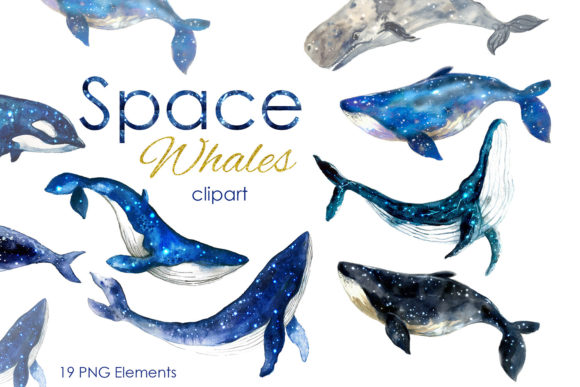
Watercolor Clipart. Watercolor Whale Art
As an embroidery designer and product reviewer, I’ve seen my fair share of digital designs. But when I came across Watercolor Clipart. Watercolor Whale Art, it immediately stood out for its unique aesthetic and practical application in real-world projects. This design isn’t just a pretty image—it’s a versatile tool that can elevate a wide range of handmade and commercial products.
The First Impression: A Delicate, Whimsical Mood
From the moment I opened the file, I was struck by the soft, watercolor-inspired style of the whale. The gentle lines, subtle shading, and organic flow give it a dreamy, artistic feel that feels both modern and timeless. It’s the kind of design that evokes a sense of calm and creativity, making it perfect for baby items, nursery decor, or any project that aims to bring a touch of nature and whimsy into everyday life.
The layout is clean and well-balanced, with enough detail to be visually interesting without being overwhelming. It’s not overly complex, which means it works well on a variety of fabric types and project sizes. Whether you’re stitching a simple tote bag or a detailed pillow cover, this design adapts well.
Real-Life Embroidery Use Cases
I tested Watercolor Clipart. Watercolor Whale Art on several different projects to see how it performed in real-life situations. One of the first things I did was use it as a tote bag design. The whale looked great on a cotton canvas, with the soft colors standing out without being too bold. It added a personal touch that would appeal to customers looking for something unique and artistic.
For a custom sweatshirt, I adjusted the size to fit a 4-inch hoop. The design maintained its clarity, and the stitch density was just right—enough to hold up under wear but not so dense that it made the fabric stiff. I also tried it on a baby onesie, where the softness of the design complemented the delicate nature of the garment.
This design also works well as an embroidered patch. Its relatively simple structure makes it ideal for applique or satin stitch applications, and the watercolor effect gives it a more handcrafted look than a typical digital print.
Where to Use It Carefully
While Watercolor Clipart. Watercolor Whale Art is generally easy to work with, there are a few scenarios where extra care is needed. For instance, if you’re using it on small hoop sizes, you might need to break the design into sections to ensure all details are captured properly. Similarly, on textured or stretchy fabrics, the design may not sit as smoothly as it would on a smooth cotton or polyester blend.
On dark fabrics, the lighter tones of the watercolor design may not show up as clearly. I recommend testing it on a similar fabric before committing to a full project. Thin or lightweight materials could also pose a challenge, as the design might not hold up as well over time. In those cases, using a proper stabilizer is essential.
Key Considerations for Embroidery Designers
Before finalizing any project, I always recommend testing the design on scrap fabric. This helps you see how the thread colors interact with the fabric and whether the stitch density is appropriate. For Watercolor Clipart. Watercolor Whale Art, I found that the design worked best with a medium stitch density—enough to define the shapes without becoming too heavy.
Another thing to consider is the color palette. If you’re using this design for commercial purposes, make sure the thread colors you choose match the intended fabric. I also suggest reviewing the design in black and white mockups to see how it looks without the watercolor effect. This can help you decide if it needs any adjustments for specific applications.
Impact on Visual Appeal and Customer Perception
One of the most important aspects of any embroidery design is how it affects the overall look and feel of the finished product. Watercolor Clipart. Watercolor Whale Art adds a level of sophistication and uniqueness that can set your handmade products apart from the competition. Customers often respond positively to designs that feel personal and artistic, which makes this a strong choice for Etsy sellers and small business owners.
It also enhances the perceived value of the item. A well-executed embroidery design can make a simple tote bag or apron feel like a premium product. This is especially true when the design has a cohesive theme, like the watercolor whale, which can tie into a broader brand identity or seasonal collection.
Practical Tips for Using This Design
If you’re planning to use Watercolor Clipart. Watercolor Whale Art in your next project, here are a few practical tips:
- Test on scrap fabric first to check how the design looks and stitches.
- Review thread color contrast to ensure visibility on your chosen fabric.
- Confirm stitch density to avoid stiffness or poor coverage.
- Check hoop size to ensure the design fits comfortably.
- Inspect small details to make sure they translate well in embroidery.
- Use proper stabilizer for delicate or stretchy fabrics.
- Verify licensing before selling finished items or digital products.
These steps can help you avoid common pitfalls and ensure that your final product meets both your standards and your customers’ expectations.
Conclusion: A Versatile Design for Creative Entrepreneurs
Watercolor Clipart. Watercolor Whale Art is more than just a pretty image—it’s a functional, adaptable design that can be used in a wide range of embroidery projects. Whether you’re creating custom apparel, personalized gifts, or small shop merchandise, this design offers a balance of artistry and practicality that’s hard to beat.
As a designer who values both aesthetics and usability, I find this clipart to be a valuable addition to any embroidery toolkit. With the right approach, it can help elevate your craft, attract more customers, and add a touch of creativity to every project you complete.